Toilet Training Using Behaviorist Techniques Is Best Described as
If you have ever toilet trained a typically-developing child you probably used a combination of praise and rewards for going on the toilet explaining your expectations removing the childs diaper prompting to the toilet on some type of schedule rushing him or her to the toilet when they seemed like they needed to go and teaching how to notify you that he or. The younger toddlers ability to comprehend and respond to the bodys signals was.

Decoding Your Dog Ebook By American College Of Veterinary Behaviorists Rakuten Kobo Dog Behavior Dog Training Books Pet Tracker
Typically the steps of the toilet training sequence are.

. The behaviorist approach to toilet training has proved to be the most successful. Throw tissue in the toilet 9. Van Wagenen Meyerson Kerr Mahoney 1969 relied on intense yet short periods of intervention coupled with direct clinical.
Toilet training is a developmental task that impacts families with small children. In the early 1900s techniques for toilet training stressed physiologic readiness involving the child as a passive participant 1. Problematic Toilet Behaviors.
This concept continues to influence contemporary practice3 A recent review compares this method to a structured behavioral approach to toilet training that also emphasizes readiness criteria4 The child-oriented method From the Department of Pediatrics Dr Schum and Dr. Toilet training is a significant developmental milestone in early childhood. Many behaviors however are quite typical expressions of a normal childs ongoing cognitive development.
All healthy children are eventually toilet trained and most complete the task without medical intervention. All child participants engaged in challenging behavior with the initiation of toilet training. It is a cue given just before a desired response to increase the likelihood of the desired response.
The field of applied behavior analysis provides an ample body of literature that spans over four decades and describes effective toilet training programs in applied settings. Examples include pee poop potty. Talking undressing sitting wiping dressing flushing and hand washing.
A 1929 Parents magazine claimed that most healthy babies could be trained by eight weeks of age 4. Toilet Training Steps. In our 36-hour Toilet Training for Children with Autism or a Related Disorder youll receive.
He reasoned that the prevailing potty training techniqueswhich emphasized parent-led practice drillswere pushing kids before they were ready. Get toilet tissue 7. Children achieve the physiologic cognitive and emotional development necessary for toilet training by 18 to.
Children who begin toilet training at a later age take less time to train than children who start training at a younger age. An ABAB reversal design was used to evaluate intervention effects. Applied behavior analysis.
Behavioral techniques have been shown to help parents more effectively teach their children to walk develop initial language skills provide effective toilet training influence their children to do household chores and decrease problem behaviors such as nail biting temper tantrums aggressive behavior failure to follow the rules of the household and failure to comply with. We often use this for toilet training. Cultural practices are the biggest influence on the success of toilet training.
It is a form of punishment intended to decrease an undesired response. Different techniques you can use to potty train your child at home in as little as 36 hours. An application of operant behavior modification techniques.
Giles DK Wolf MM. Effectiveness is unknown Intensive-training combined use of multiple procedures based on operant and respondent principles. Others are caused by anxiety or other overwhelming emotions.
During the 1920s and 1930s early training and rigid scheduling were recommended 3. Valuable potty training tips for children who are difficult to train. Google Scholar Hundziak M Maurer RA Watson LS.
Toilet training institutionalized severe retardates. Training should not be initiated if the child is learning other tasks as learning is best accomplished at an age when only one task is being introduced at a time. Toilet training should begin within 1 month after birth.
Enter the bathroom 2. Going through these steps every time helps to reinforce proper toileting skills. Potty Training Schedule.
Parent participants elected not to use the urine alarm and one parent elected to discontinue the implementation of positive practice techniques. Some problematic toilet behaviors have physical origins. The toileting intervention was successful as all three.
Toilet training involves many steps. Caregivers should not leave the child alone on the toilet or for extended periods of time 5-10 minutes is sufficient. Am J Ment Defic.
If the child remembers to go to the bathroom they get a sticker. 30 Points for Gryffindor. Early models eg Azrin.
Gradual introduction to toilet when both caregiver and child are ready child fully participates in training training is suspended if child resists. Wipe with tissue 8. Of toilet training that emphasized the concept of readi-ness.
Sit on the toilet 5. A practicing pediatrician Brazelton had observed an increase in toilet training failures including toilet refusal severe constipation and shudder stool smearing Brazelton and Sparrow 2004. Decide what words you will use to describe toileting and try to be consistent.
A schedule can be as basic as a first-then cue or complex and including each step of the potty training process. Operant conditioning in toilet training of severely mentally retarded boys. Am J Ment Defic.
Habit training is described in Part 5. Start with this information on how to use visual reward charts for the most success. A token economy is a behavior management system teachers put in place where students get rewards in the forms of tokens for good behavior.
If you have ever toilet trained a typically-developing child you probably used a combination of praise and rewards for going on the toilet explaining your expectations removing the childs diaper prompting to the toilet on some type of schedule rushing him or her to the toilet when they seemed like they needed to go and teaching how to. Think about Harry Potter here. A simplified version of Azrin and Foxxs method of toilet training was evaluated in an adult with profound mental retardation.
Independent access of the toilet. Close the bathroom door 3. Visual Supports These might include visual schedules or visual supports are schedules dry erase boards and timers.
A toilet training data sheet to track your childs progress. Use the toilet 6. It is a form of positive reinforcement presented after the desired response is observed.
Pull down clothing 4.

The Basics Of The Psychology Of Learning Illustration By Jr Bee Verywell Operant Conditioning Observational Learning Learning Psychology
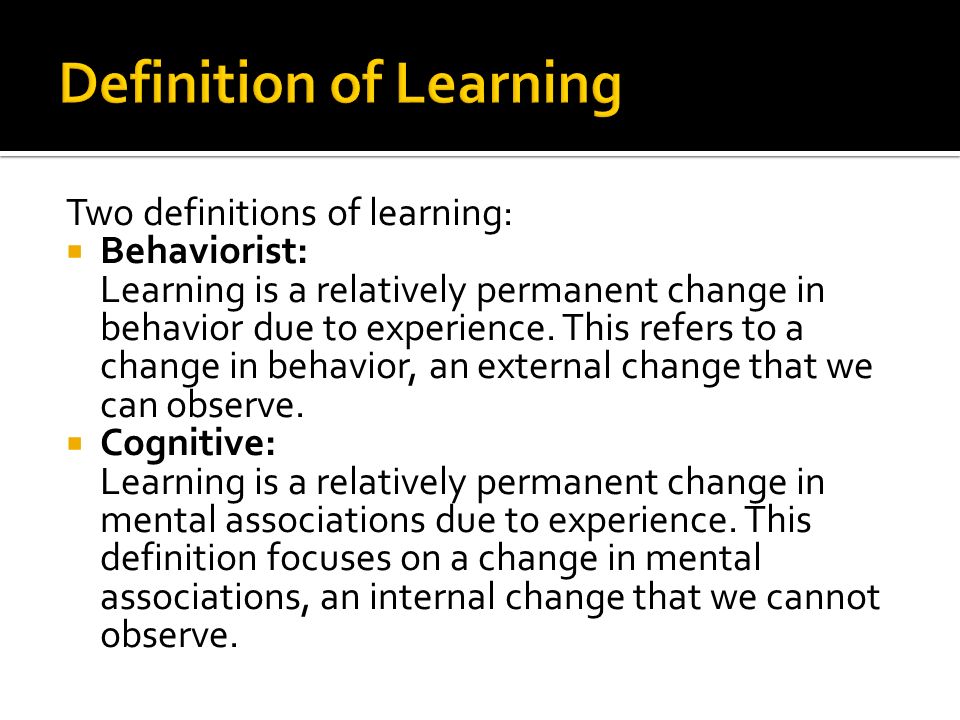
Lecture 8 How Would You Define Learning Two Definitions Of Learning Behaviorist Learning Is A Relatively Permanent Change In Behavior Due To Ppt Download
7 Must Read Best Books About Dog Behavior Training Dogvills Dog Behavior Positive Dog Training Behavior Books


Comments
Post a Comment